[Last week we had Orion180 $OIG and this week we have Bamboo Insurance $BMB which both exhibit characteristics of this mechanism so it seemed like a good time to put this together.]
As IPO transactions come much later and tend to be much larger and more established. Instead of investing in smaller companies with higher risk/reward, public market investors are often getting shares in a mature company where a good deal of the "juice has already been been squeezed" yet they are still left with quite a bit of risk.
Before going further I need to be clear that there is no assertion here about any illegal scheme but rather a structure in which insiders reduce economic exposure or crystallize value before—or at—the public listing, while the company’s remaining debt, governance constraints, catastrophe exposure, and future financing needs move into public hands. And these facts are clearly disclosed in filing documents.
Having said that investors should be clear about a few things:
- Disclosure is not alignment.
- Legality is not necessarily investor friendliness.
- A successful roadshow does not erase capital-structure arithmetic.
- The public market may demand a discount when it believes it is refinancing private distributions rather than funding productive growth.
We've got a couple of current transactions, Orion180 Insurance $OIG and Bamboo Insurance $BMB as recent cases that epitomize this situation. However, this is no way implying the companies did anything wrong or are bad investments. The job of equity research is to develop the full picture as disclosed and then with additional facts to create the final full view of the risks and rewards on offer.
How it Works vs Traditional Sequencing
The classic pump-and-dump story is familiar: promote an asset, inflate enthusiasm, and sell into the demand you helped create. We don't get involved in these obvious schemes but every IPO focuses on telling the best possible "story" to investors in the form of the roadshow. That's why you should curl up with the prospectus instead but most don't.
So many IPO transactions enjoy strong demand and an aftermarket "pop" because they generate excitement and demand for what is typically a smallish overall offering size for institutions. Let's look at two different cases: Lineage $LINE and UL Solutions $ULS. One was "red hot" and the other was just "solid." Over time the share prices found their level consistent with ungilded truths. (Disc: We are long some ULS.)
These are not our case studies just an illustration of how valuations get set in a "hype/risk on" versus a "hype/risk off" IPO environment.
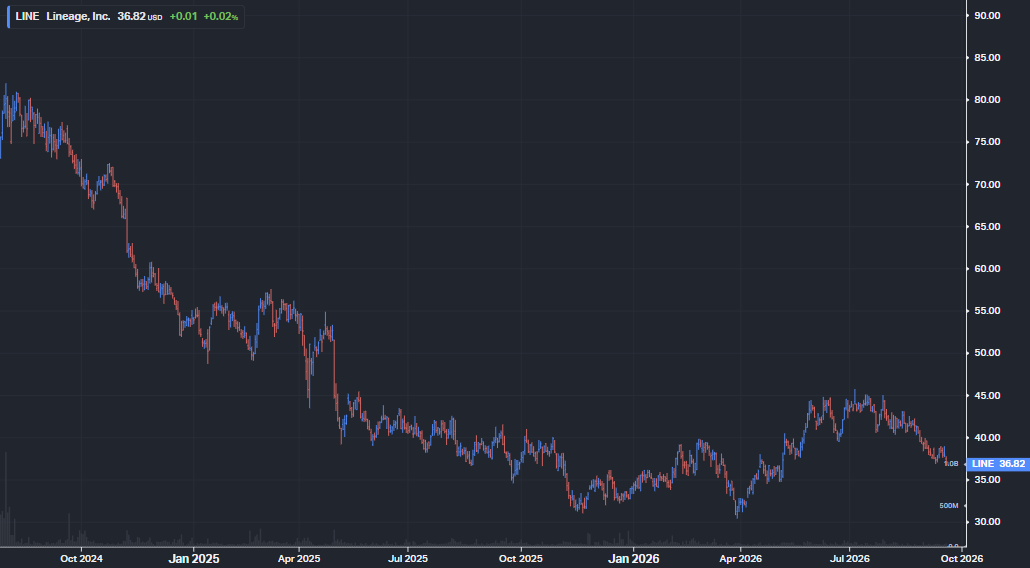
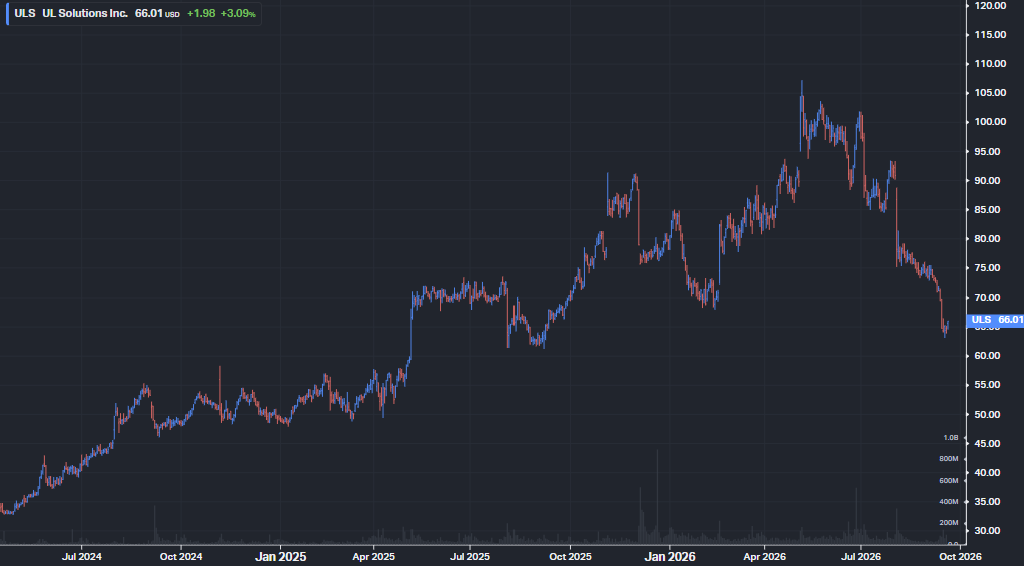
After the typical IPO insiders can realize gains after the lockup period expires, typically 6 months after the deal. So in the case of LINE that would have been January of 2025 at prices of $50-55/share versus the $80 peak. Still fine.
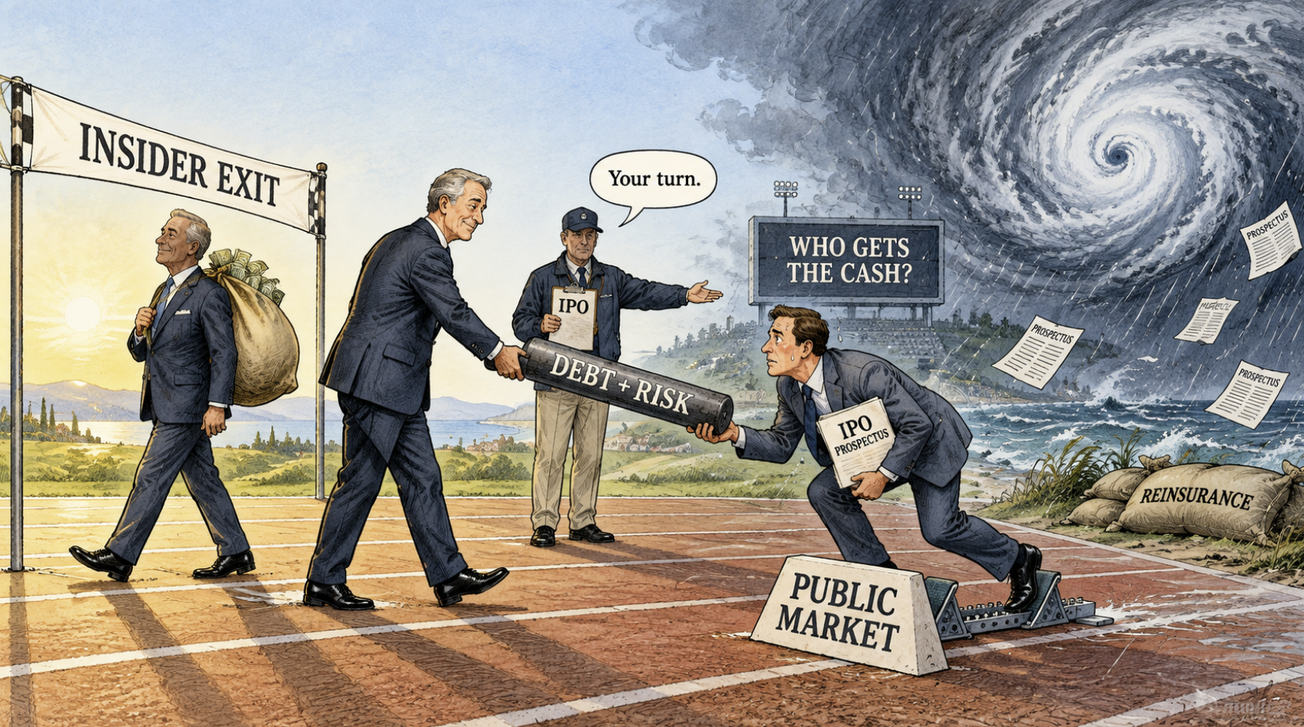
With what we call the Dump and Pump: insiders, founders, or private-equity owners extract liquidity before—or through—the public offering, then invite IPO buyers to own what remains. The business fundamentals are generally all there - growth, technology, leading products and market opportunity along with the with all the risks. What's different is that insiders have extracted profits (in some cases by taking on debt) before any of those risks materialize.
The new public shareholder has to assess how much they are funding growth—or becoming the next holder of the debt, dilution, governance imbalance, catastrophe exposure, and financing burden left behind after private owners have already taken meaningful money off the table.
Orion180 Insurance Group and the pending Bamboo Insurance IPO offer two very different versions of that same structural question.